

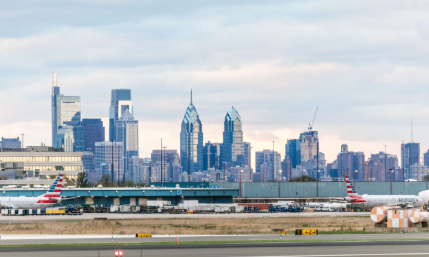
PHL: The big-airport layover that can still feel like Philly
Philadelphia International Airport is larger, busier, and less effortless than a compact city airport, but it has a real advantage: a direct rail path to Center City and enough local character inside the terminals to make waiting feel less generic.
Build the access plan first
PHL’s city-access play starts with the SEPTA Airport Line . It links the airport terminals with Center City, which makes a real Philadelphia stop possible when the layover window is long enough. This is not a sprint-and-pray airport escape; it is a schedule-first plan. Check the return train, protect the TSA buffer, and keep the outside target simple.
One worthwhile experience with a protected return beats a rushed checklist.
Choose transportation before the adventure
For Center City, rail should usually be the first question. For suburbs, late-night arrivals, heavy bags, mobility needs, or a tight schedule, taxi and rideshare may make more sense. PHL is big enough that internal walking time matters too, so the ground plan should include terminal location, bag claim, pickup zones, train timing, and the return security buffer. The airport will punish wishful thinking. Philly does that sometimes.
Best use of the layover
Use PHL as a two-track WanderPort. With a short connection, stay airside, eat well, charge up, and keep your walking loop realistic. With a longer layover, pick one clean outside target: Reading Terminal Market, Old City, the Independence Hall area, the Delaware River waterfront, or a simple Center City walk. One good Philly moment beats a rushed scavenger hunt across town.